
Lancaster City Unclaimed Funds
Lancaster is the county seat of Lancaster County, with a population of roughly 58,000, and it holds the distinction of being the oldest inland city in the United States. That long history means financial accounts, uncashed checks, and forgotten deposits have had generations to accumulate at the state level. The Pennsylvania Treasury holds over $5 billion in unclaimed property statewide, and roughly one in ten Pennsylvania residents is owed something. Lancaster city residents can search the Treasury database at no cost and claim their property with no deadline.
Lancaster Unclaimed Property Facts
Lancaster Unclaimed Money: How the State Program Works
When a bank, insurance company, utility, or business loses contact with the owner of an account or check, Pennsylvania law requires that institution to transfer the funds to the Pennsylvania Treasury Bureau of Unclaimed Property after the applicable dormancy period expires. The Treasury then holds those funds permanently until the rightful owner or heir comes forward to claim them. No funds are ever forfeited to the state.
Lancaster city residents are connected to this system through every financial institution with which they have ever done business. Dormant checking and savings accounts, uncashed payroll checks, life insurance policy proceeds, security deposits, brokerage accounts, and the contents of abandoned safe deposit boxes all end up at the Treasury when they go unclaimed long enough. Lancaster's status as the oldest inland city in the United States means its residents have had longer than most to accumulate forgotten financial assets across multiple institutions and account types.
Common search terms that produce Lancaster results in the Treasury database include employer names like Lancaster General Hospital, which is one of the more frequently cited institutions in unclaimed property listings for the area. Franklin and Marshall College-related accounts also appear regularly, reflecting the university's long history in the city and the employee and student financial relationships it generates over time.
The main resource for Lancaster claimants is patreasury.gov/unclaimed-property, where the Treasury explains the full scope of the program and links to the search portal. Staff can also be reached at 1-800-222-2046, Monday through Friday from 7:30 AM to 4:30 PM, to answer questions about the process.
Lancaster City Bureau of Accounting and Unclaimed Funds
The City of Lancaster maintains its own Bureau of Accounting and Finance, which handles the full range of municipal financial operations. For residents who believe the city itself may owe them money from a prior transaction, the Bureau is the right starting point.
The City of Lancaster Bureau of Accounting and Finance is located at 120 N. Duke St., Lancaster, PA 17602, and can be reached by phone at (717) 291-4740. The office is open Monday through Friday from 8:30 a.m. to 5 p.m. The Bureau reviews more than 23,000 accounts payable invoices annually and manages payroll for nearly 600 city employees. It also oversees the General Fund, four Enterprise Funds, and approximately 40 Capital and Special Revenue funds.
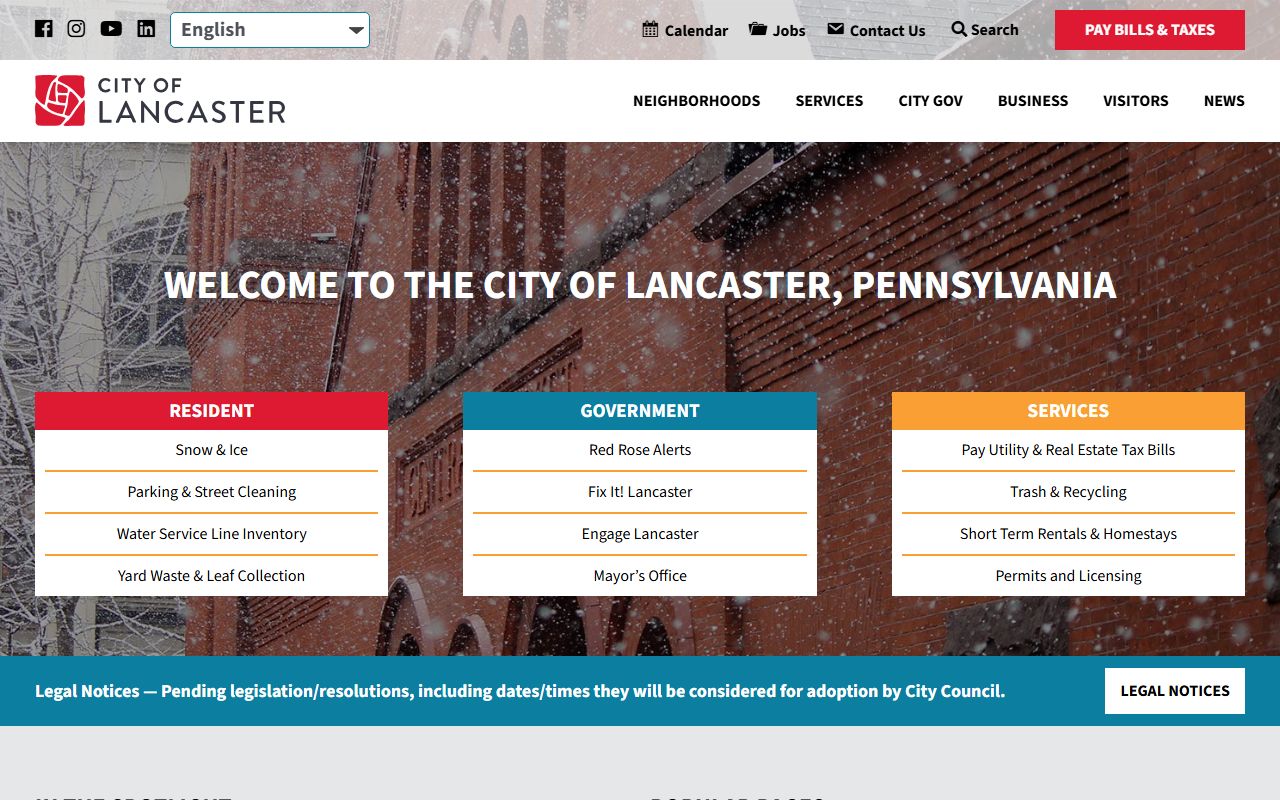
Vendors, contractors, and former city employees who believe they have an outstanding payment from the city should contact the Bureau directly. The Bureau's pay-bills portal at cityoflancasterpa.gov/services/pay-bills also handles incoming city payments and can point residents toward the right contact for refund inquiries.
Note: City-held refunds and overpayments follow a different process than state unclaimed property. If the Bureau confirms a credit in your favor, you can typically resolve it by contacting them directly without going through the PA Treasury.
Searching Lancaster Unclaimed Property Records
The Pennsylvania Treasury search portal is at unclaimedproperty.patreasury.gov. Enter your name and, optionally, a zip code or city to narrow results. Lancaster city uses zip codes 17601, 17602, and 17603. Try all three if your initial search does not return results, since property may be filed under any address you have used within Lancaster.
Search strategies that work well for Lancaster residents include searching under maiden names or prior legal names, trying alternate spellings of a surname, and searching under the names of employers such as Lancaster General Hospital or Franklin and Marshall College. Anyone who worked for the city government or the Lancaster City Bureau of Police should also search under those employer names. The Lancaster City Bureau of Police, located at 39 W Chestnut St, Lancaster PA 17603, holds safekeeping property that is reported to the Pennsylvania Treasury when it goes unclaimed, so former crime victims or individuals who had property held by the department should search specifically for those records.
Former Lancaster residents who have moved away can still claim property found under old Lancaster addresses. The Treasury pays the verified owner regardless of current location. The claim form asks for your current address for payment delivery, not the address on the original account.
Lancaster Unclaimed Funds: Key Property Sources
Lancaster's economic and institutional history produces a predictable mix of unclaimed property types. The following categories are especially common for Lancaster city residents and former residents.
- Dormant accounts at local and regional banks that have been acquired or consolidated
- Uncashed payroll checks from Lancaster General Hospital, city government, or other major employers
- Life insurance proceeds from policies taken out by Lancaster residents now deceased
- Security deposits from rental properties in city neighborhoods
- Uncollected refunds or credits from Lancaster city utility accounts
- Stock dividends or brokerage account balances tied to Lancaster addresses
Lancaster General Hospital is one of the largest employers in the city and generates a substantial volume of unclaimed payroll, pension, and benefit-related property each year. Former hospital employees, including part-time and contract workers, should search under both their own names and the hospital's name to find any accounts tied to their employment period.
Franklin and Marshall College, a four-year institution with deep roots in Lancaster, is another regular source. Former students, faculty, and staff may find refund checks, financial aid overpayments, or other credits listed in the database under the college's name paired with their own address.
Money Match and New Pennsylvania Heir Claims
Act 81 of 2024 established the Money Match program. Under this program, the Pennsylvania Treasury cross-references unclaimed property records against verified state income tax data. When a match is confirmed for a claim of $500 or less, the Treasury mails a check to the qualifying resident automatically. Lancaster city residents who file Pennsylvania income taxes may already qualify for a Money Match payment and could receive it without filing any claim at all.
Act 50 of 2025 expands heir claim rights substantially. Effective May 25, 2026, heirs can use a notarized affidavit to claim unclaimed property valued up to $20,000 on behalf of a deceased relative. Full probate documentation is no longer required for qualifying amounts. This change matters greatly for Lancaster families settling the estates of elderly residents who held small accounts at multiple institutions. The simplified process reduces paperwork and legal costs while ensuring funds reach their rightful heirs.
Both programs are administered by the Pennsylvania Treasury. Call 1-800-222-2046 for personalized guidance on whether your situation qualifies for Money Match or the Act 50 affidavit process.
Note: Money Match payments are issued automatically when the Treasury can verify your identity. You do not need to take any action to receive one if you qualify.
Pennsylvania Legal Notices and Multi-State Searches
Pennsylvania law requires property holders to publish legal notices before transferring abandoned accounts to the state. These notices appear in the Pennsylvania Bulletin, accessible at pacodeandbulletin.gov. Lancaster residents can search the Bulletin archives for notices tied to their names or addresses, which can sometimes reveal accounts that have not yet transferred to the Treasury and can still be resolved directly with the holding institution.
Lancaster residents who have lived or worked in other states should also search those states' databases. The National Association of Unclaimed Property Administrators maintains a multi-state portal at unclaimed.org that connects to all 50 state programs. A single search there can surface records from states throughout the country, making it an efficient complement to the Pennsylvania Treasury search for anyone with a multi-state work or residence history.
Lancaster County Unclaimed Property
Lancaster city is the county seat of Lancaster County, and county-level resources are closely connected to city residents' financial lives. The Lancaster County page covers county-specific unclaimed property context, tax sale surplus funds, and additional guidance for the broader county area. City residents who have had interactions with county government, courts, or tax offices will find that page a useful complement to the state Treasury search.
Nearby Pennsylvania Cities
Residents of communities near Lancaster can search the same state and county portals for unclaimed funds. Each city page covers resources specific to that area.