
Pennsylvania Unclaimed Money
Pennsylvania holds more than $5 billion in unclaimed money and property that belongs to residents across the state. The Pennsylvania Treasury Department safeguards these funds until the rightful owners come forward to claim them. Forgotten bank accounts, uncashed checks, old insurance payouts, and the contents of abandoned safe deposit boxes all end up here. Searching is free, takes just a few minutes, and can be done any time through the official state database. More than 1 in 10 Pennsylvania residents is owed unclaimed money, and the average claim value tops $1,000. Anyone can search at any time.
Pennsylvania Unclaimed Property Quick Facts
Pennsylvania Treasury Unclaimed Property Program
The Bureau of Unclaimed Property within the Pennsylvania Treasury Department is the single point of contact for all unclaimed property in the state. Every year, banks, insurance companies, utilities, and other businesses turn over dormant accounts and forgotten funds to the state after a set dormancy period. The Treasury then holds that money on behalf of the rightful owner for as long as it takes. There is no deadline to file a claim. The state does not keep the money. It sits in safekeeping until the owner or their heirs come forward.
The Bureau returned more than $100 million in unclaimed property last year alone. The physical office is located at the Riverfront Office Center, 1101 South Front Street, Harrisburg, and staff are available by phone at 1-800-222-2046 Monday through Friday from 7:30 a.m. to 4:30 p.m. You can also reach the Bureau by email at TUPmail@patreasury.gov. Mail claims to Bureau of Unclaimed Property, P.O. Box 1837, Harrisburg, PA 17105-1837.
The Treasury's main unclaimed property page is the best starting point for any search. Visit the PA Treasury unclaimed property portal to learn about the program, find links to the search database, and get instructions for filing a claim.
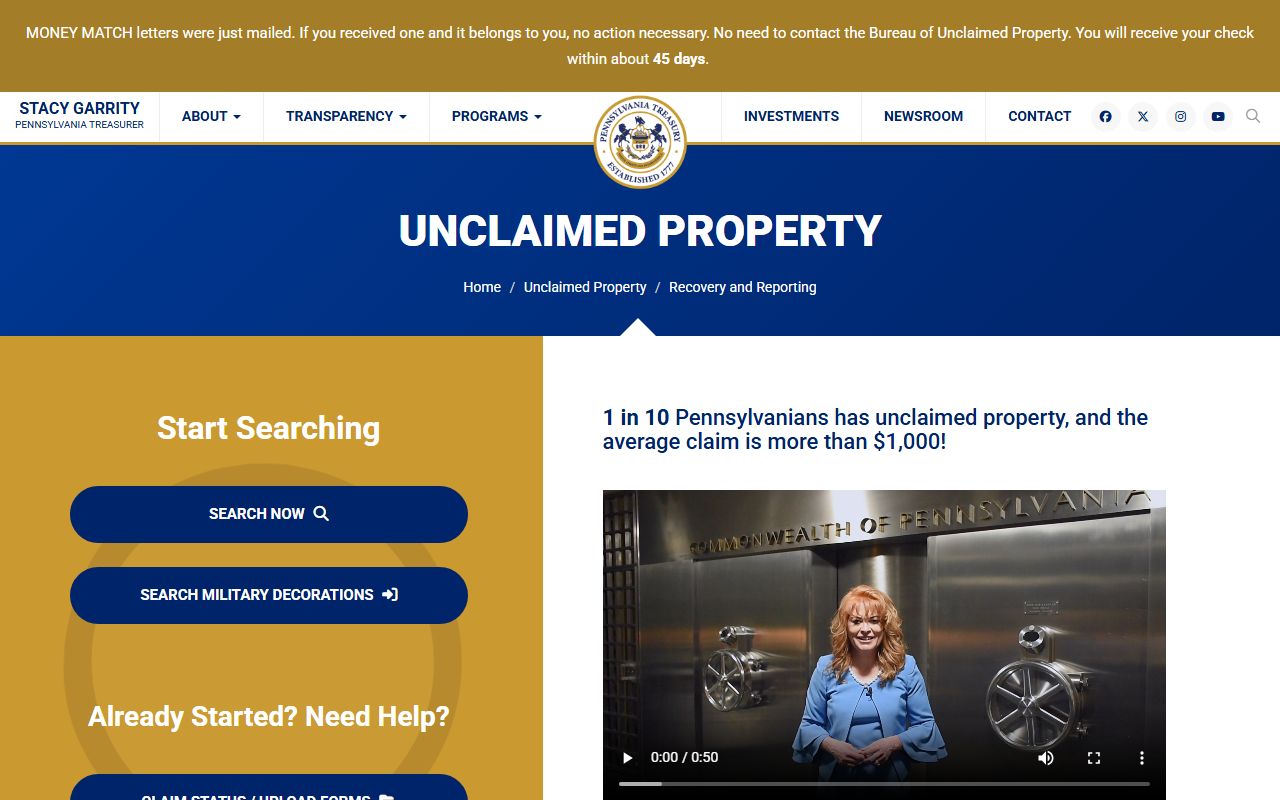
The page also includes tutorial videos showing exactly how to search and submit a claim, making it easy for first-time users to navigate the process.
Note: The Treasury never sends unsolicited text messages about unclaimed property. Any text claiming you have funds waiting is a scam.
How to Search Pennsylvania Unclaimed Property
Searching for unclaimed money in Pennsylvania takes only a few minutes. The official database is available around the clock and is free to use. You do not need to create an account just to run a search. Enter your name or a property ID number, review the results, and then decide if you want to file a claim. The system shows the name on the account, the city and zip code, the type of property, and who currently holds it.
The Treasury's dedicated search portal makes it simple to look up results by name or property ID. Go to the Pennsylvania unclaimed property search database to start your search right now. Creating a claimant account lets the system save your information for future searches and makes it easier to track any claims you submit. The four-step process is straightforward: search, claim, submit documentation, and receive payment. Direct deposit is available for faster delivery of funds.
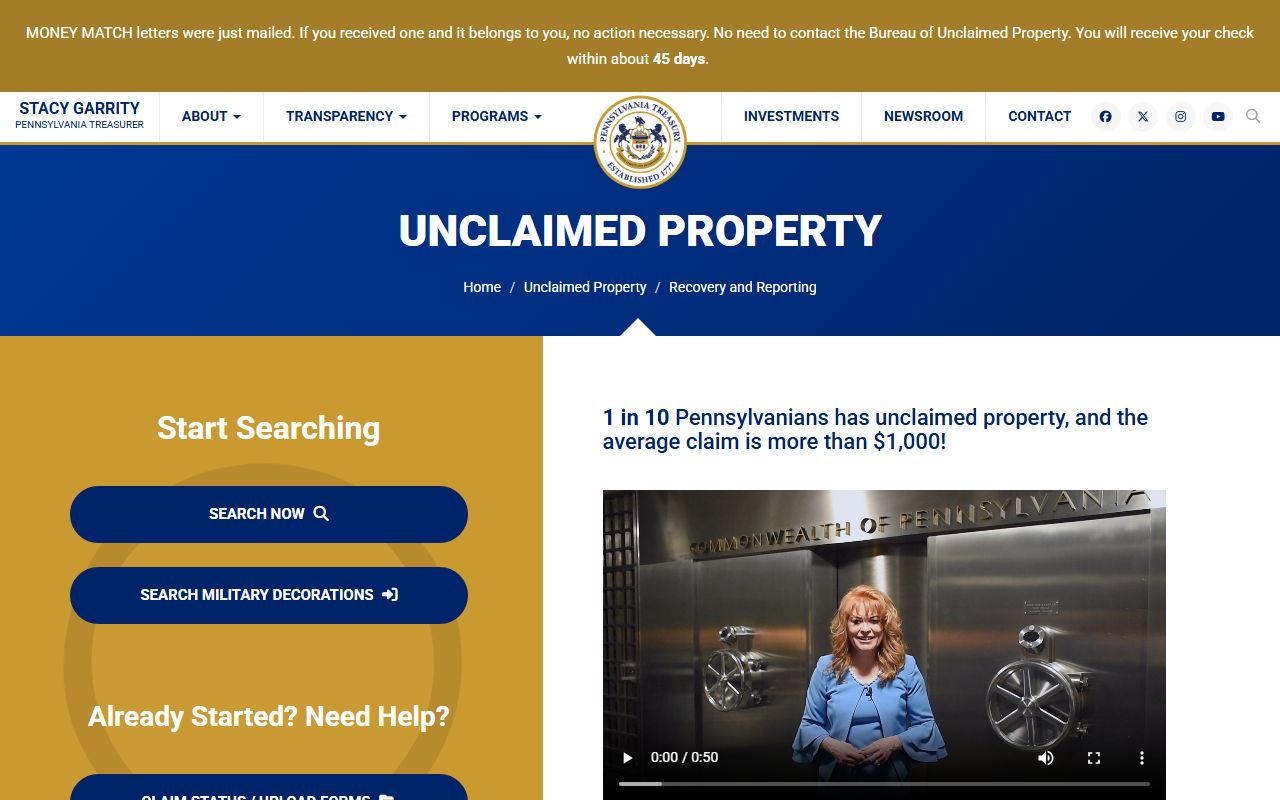
Search results update regularly as new property is reported to the state. Run a search for every name you have ever used, including maiden names, middle names, and common misspellings.
If you have already submitted a claim and want to check on it, the Treasury offers a dedicated status tracker. Check your Pennsylvania unclaimed property claim status using the claim number you received when you filed. The tracker shows where your claim stands and what, if anything, still needs to be submitted.
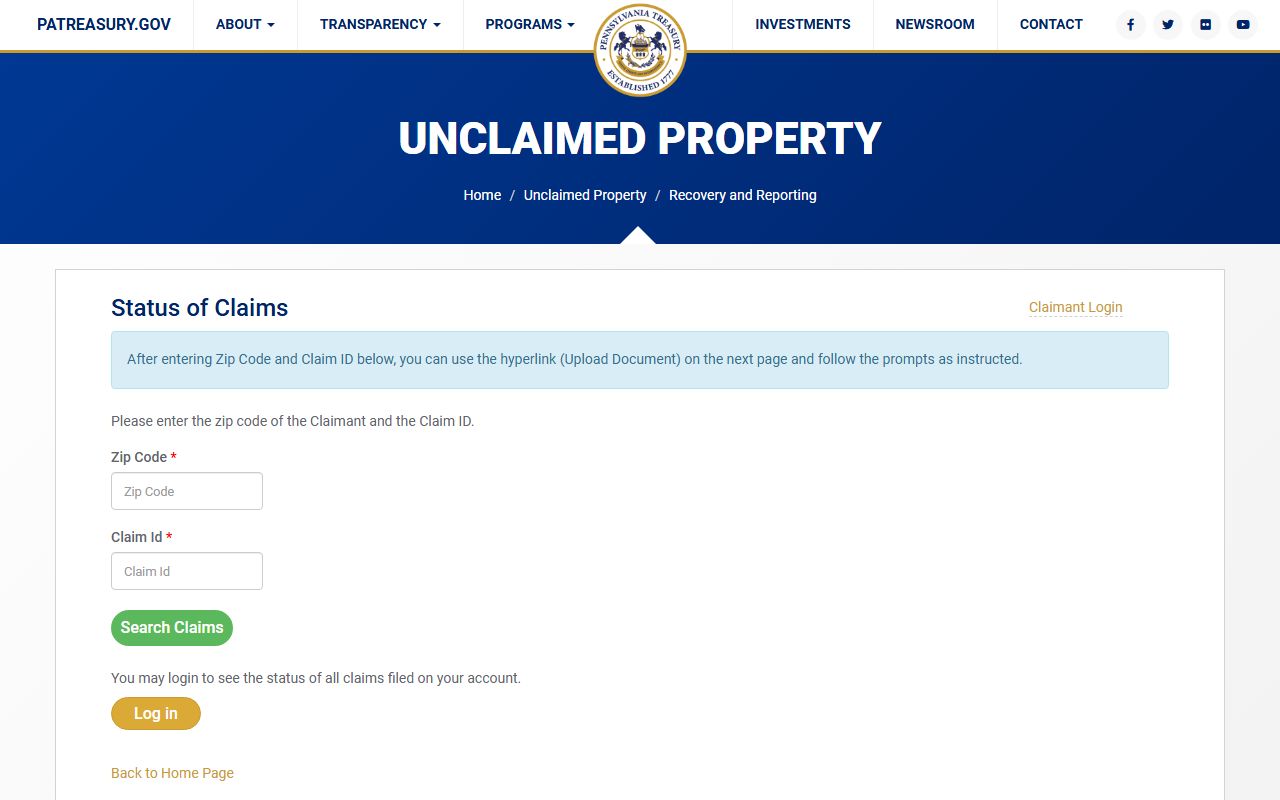
Most straightforward claims with clear documentation are processed within a few weeks. Complex claims involving estates or multiple owners may take longer.
Pennsylvania Money Match Automatic Return Program
Pennsylvania launched one of the most significant reforms to its unclaimed property program in decades when it introduced Money Match. Established by Act 81 of 2024, which Governor Josh Shapiro signed in July 2024, the program began distributing automatic payments in January 2025. It targets single-owner properties valued at up to $500. Eligible owners do not need to search, fill out a form, or upload documents. The Treasury confirms their address, mails a check about 45 days later, and the owner simply cashes it. No action is required beyond cashing the check.
The results have been substantial. The March 2025 batch sent 7,468 checks totaling $1.8 million. The May 2025 batch covered more than 40,000 letters representing over $8 million. By October 2025, Treasury mailed letters to 107,000 people. The December 2025 batch alone sent nearly 100,000 checks worth more than $22 million. Properties over $500, those with multiple owners, or accounts with complex ownership are not eligible and still require the traditional claim process. If you believe you received a Money Match letter or check in error, contact MoneyMatch@patreasury.gov.
Pennsylvania joins at least 14 other states that have adopted similar automatic return programs. Act 81 amends the state Fiscal Code by creating a no-claim process for eligible properties and represents a major shift in how the Treasury connects owners with their funds.
Types of Pennsylvania Unclaimed Property
Pennsylvania unclaimed property comes from many different sources. Dormant bank accounts are the most common type. These are checking or savings accounts where there has been no owner activity for the required dormancy period. The state law governing unclaimed property, the Disposition of Abandoned and Unclaimed Property Act found at 72 P.S. §§ 1301.1 through 1301.29, sets dormancy periods for each category. Most property types have a three-year dormancy period. Wages and salaries have a two-year period. Money orders go dormant after seven years. Travelers checks have a fifteen-year dormancy period. Safe deposit box contents become reportable three years after the rental agreement expires.
Other common types of unclaimed property held by Pennsylvania Treasury include uncashed paychecks and payroll checks, certificates of deposit, dividends from stocks, bond interest payments, mutual fund accounts, life insurance benefits and premium refunds, annuity payments, utility deposits, gift cards and store credits, court-ordered disbursements, and the contents of forgotten safe deposit boxes. The contents of safe deposit boxes can include jewelry, coins, documents, and other tangible items. These physical items are handled differently from financial property and may eventually be auctioned if no owner comes forward.
Note: Searching once is not enough. Property from different holders arrives at the Treasury on a rolling basis, so running a fresh search every year makes sense.
How to Claim Unclaimed Money in Pennsylvania
Claiming unclaimed money in Pennsylvania is free. The Treasury never charges a fee to locate or return property to its rightful owner. If a company or individual offers to find and recover your unclaimed property for a fee, you have the right to claim it yourself at no cost through the official Treasury website.
Once you find a match in the database, the online system walks you through submitting your claim. You will need to verify your identity and your connection to the property. For most claims, you will upload a copy of a government-issued photo ID and documentation showing your address matches what the holder had on file. For larger or more complex claims, additional documentation such as account statements, probate records, or corporate documents may be needed. The system accepts document uploads directly, so you rarely need to mail anything.
When the original owner has died, family members can still claim the property. Act 50 of 2025, effective May 25, 2026, raises the threshold for the Relationship Affidavit to $20,000. This means eligible heirs, including a surviving spouse, children, parents, siblings, nieces and nephews, and grandparents (in that order of preference), can file a notarized affidavit for claims up to $20,000 without going through formal estate administration. The Act also requires that no estate is currently open, or that more than five years have passed since one was opened, and that the owner was a Pennsylvania resident at the time of death. For property above that threshold, full estate documentation is required.
Pennsylvania law under 72 P.S. § 1301.11a requires that any third-party finder who helps someone recover unclaimed property for a fee must be registered with the Treasury. The current cap on finder fees is 15% of the recovered amount. Proposed legislation (SB 1201) would lower that cap to 10% and add additional protections for consumers, including a requirement that written agreements disclose that you can file directly for free. You can review the list of registered finders at the PA Treasury finder registration page.
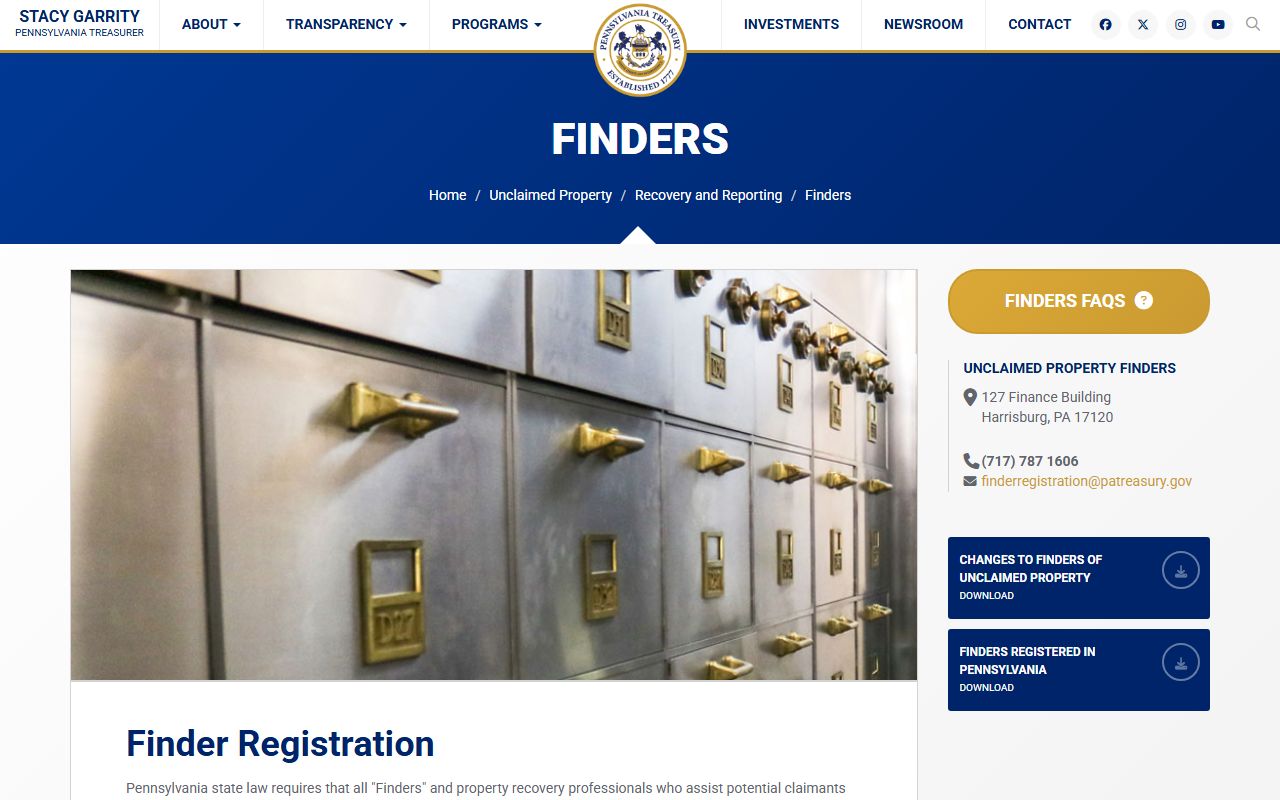
Registered finders are vetted through background checks. Holders of unclaimed property are prohibited from charging finders fees when locating owners and must report all property to the state.
Pennsylvania Unclaimed Property Laws and Statutes
Pennsylvania's unclaimed property program is built on a clear legal foundation. The primary statute is the Disposition of Abandoned and Unclaimed Property Act, commonly called DAUPA, codified at 72 P.S. §§ 1301.1 through 1301.29 within the Pennsylvania Fiscal Code. Section 1301.1 defines key terms including abandoned property, holder, owner, and property. Section 1301.2 lists the specific types of property presumed abandoned. Section 1301.3 sets the dormancy periods that trigger reporting. Section 1301.10a establishes due diligence rules for holders, requiring them to send notice to owners of property worth $50 or more between 60 and 120 days before filing their annual report with the state.
Act 81 of 2024 amended the Fiscal Code to create the Money Match program. It authorized automatic return of single-owner properties up to $500 without requiring a formal claim. Act 50 of 2025, signed November 24, 2025, raises the Relationship Affidavit threshold from $11,000 to $20,000 for heirs claiming property from deceased owners, effective May 25, 2026. The Act also creates an Endowed Community Fund for assets with no will and no surviving heirs, and it raises the financial institution distribution limit to heirs from $10,000 to $20,000. These two laws together represent the most significant updates to Pennsylvania unclaimed property rules in years.
Implementing regulations appear in the Pennsylvania Code at 61 Pa. Code Chapter 951. The Pennsylvania Code and Bulletin website provides access to both current and historical versions of these rules. Regulations cover the format and content of holder reports, due diligence standards, and procedures for challenging Treasury determinations.
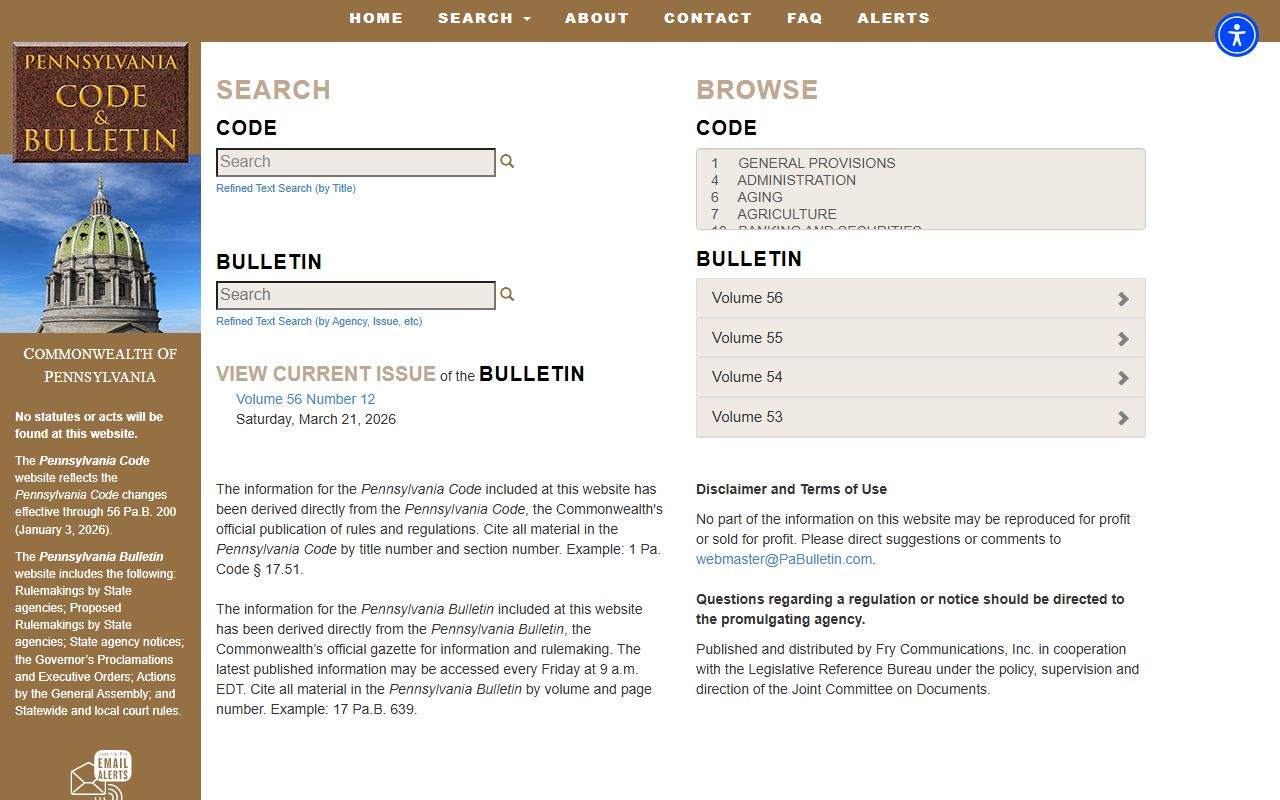
The Pennsylvania Bulletin is the Commonwealth's official gazette. It publishes the annual notice listing names of owners of unclaimed property worth more than $250. Treasury is required by law to publish these names once. Finding your name in the Bulletin is another way to discover that you have unclaimed money waiting.
Note: The Pennsylvania Right-to-Know Law gives the public access to certain Treasury records. Submit a request through the PA Treasury Right-to-Know page to obtain administrative documents and aggregate data.
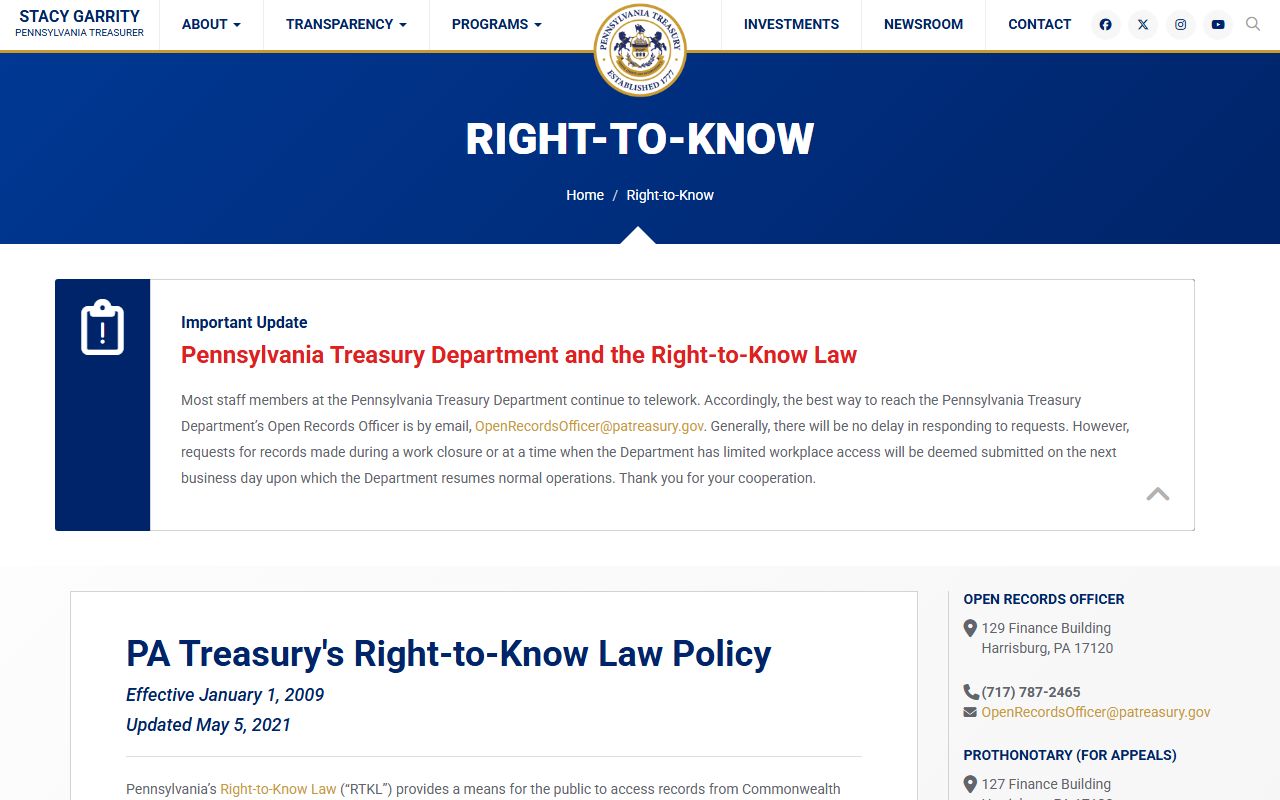
The Right-to-Know process applies to general administrative records rather than individual claim files, which are protected by privacy law.
Pennsylvania Unclaimed Property Holder Reporting
Any business, organization, or individual holding property that belongs to someone else is considered a "holder" under Pennsylvania law. Holders include banks, credit unions, insurance companies, utilities, employers, brokerage firms, courts, government agencies, and any other entity with reportable unclaimed property. They are legally required to report and remit that property to the Treasury by April 15 each year. Before filing, they must send a due diligence notice to any owner of property worth $50 or more, giving owners a chance to come forward before the property is transferred to the state.
Reports must be submitted in the NAUPA electronic format, which is the national standard used by most states. The Treasury provides free web-based HRS Pro software for holders with 99 or fewer properties to report. Larger holders submit encrypted NAUPA files through the secure holder portal. Payments can be made by check payable to the Commonwealth of Pennsylvania or by ACH credit or wire transfer. Holders that have never reported before, or that are behind on past reports, can enter a Voluntary Disclosure Agreement with the Treasury. This agreement waives penalties and interest for past-due reporting when signed by a corporate officer and approved before any late report is filed.
The Treasury's holder resources page covers every aspect of the reporting process. Visit the PA Treasury holder reporting page for forms, software downloads, and detailed instructions.
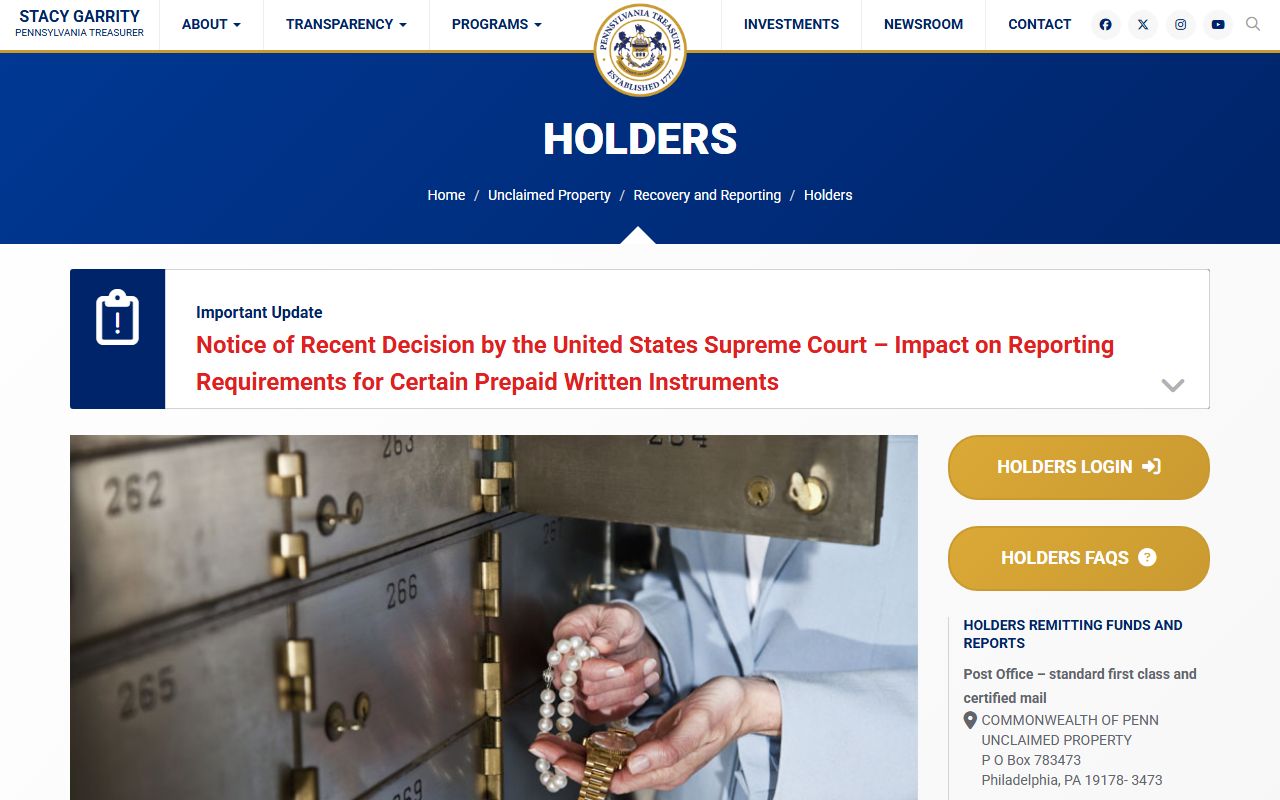
Holders with questions can contact the Bureau at 800-379-3999 or by email at report@patreasury.gov. Extension requests are available but must be filed before the report is submitted, and extensions are not granted for two consecutive years.
Pennsylvania Unclaimed Tangible Property Auctions
Not all unclaimed property is financial. Physical items from forgotten or abandoned safe deposit boxes are also turned over to the Treasury. These tangible items include jewelry, coins, stamp collections, antiques, stock certificates, and a wide range of other valuables. Pennsylvania Treasury operates what is said to be the largest working vault in the country to store these physical items. Before any item is auctioned, the Treasury searches for the rightful owner for at least three years.
Twice each year, the Treasury holds online auctions for unclaimed tangible property in partnership with auction house Pook and Pook Inc. Recent results show strong activity: the Fall 2024 auction raised over $605,000, a record for Pennsylvania unclaimed property, and the Spring 2025 auction brought in more than $468,000 from over 5,500 items. High-value lots from the Spring 2025 event included a 14K gold chain that sold for $7,400, a 14K gold Knights Templar presentation medal at $5,800, and 22K gold bangle bracelets at $4,600. Net proceeds go to the Treasury after a 14% commission to the auction partner.
Rightful owners never lose their right to the proceeds. Even after an item sells at auction, the funds from that sale remain available to the owner or their heirs indefinitely. The Treasury logs every auction result precisely so that claims can be paid out of those proceeds at any time. Learn more about Pennsylvania tangible property auctions and view current and past auction listings.
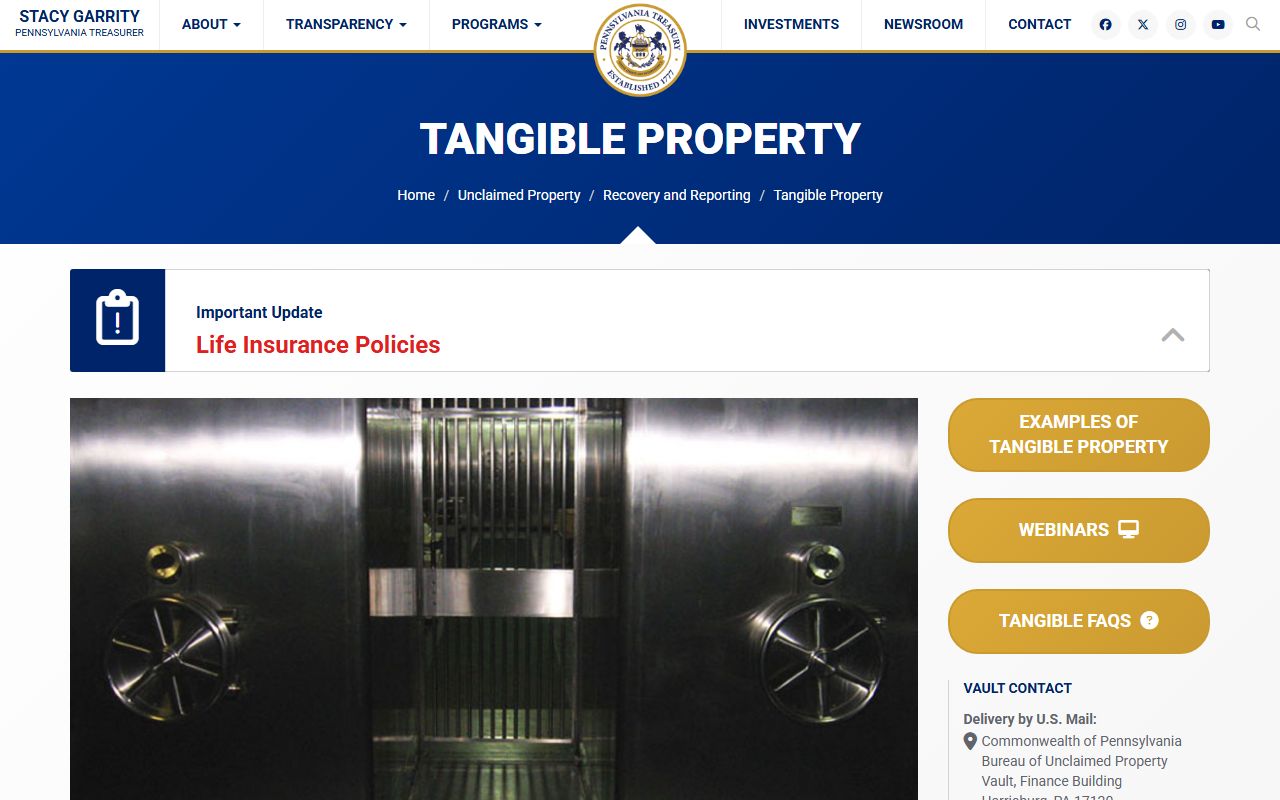
Property holders dropping off tangible items must call the Tangible Property Unit at 717-705-6682 to schedule an appointment. Walk-ins are not accepted.
Pennsylvania Unclaimed Military Decorations Database
One of the most distinctive parts of Pennsylvania's unclaimed property program is its dedicated database for military decorations and memorabilia. The state Treasury holds nearly 500 unclaimed military items, including medals, dog tags, service pins, and buttons representing every branch of the armed forces and nearly every major conflict from the Civil War through recent deployments. Pennsylvania launched the first online military decoration database in the United States in 2018, and the program has become a model for other states.
Military decorations are never auctioned. That is a firm policy. The Treasury holds these items indefinitely, searching for veterans or their families for as long as it takes. Since 2018, more than 831 military decorations have been returned to veterans or their loved ones. Since Treasurer Garrity took office in 2021 alone, 533 items have been returned, including 13 Purple Hearts, 3 Bronze Stars, and 1 Gold Star Medal. In 2025, 57 decorations were returned, including two Purple Hearts and the program's first-ever Gold Star Widows and Pilgrimage Medal, presented to a World War I soldier's mother in 1933 and returned to his great-niece nearly a century later. Pennsylvania's program directly inspired Massachusetts to launch a similar initiative, which returned its first Purple Heart in August 2025.
The database can be searched by name, conflict, or decoration type. Search Pennsylvania's unclaimed military decorations database to help reunite a decoration with its rightful family.
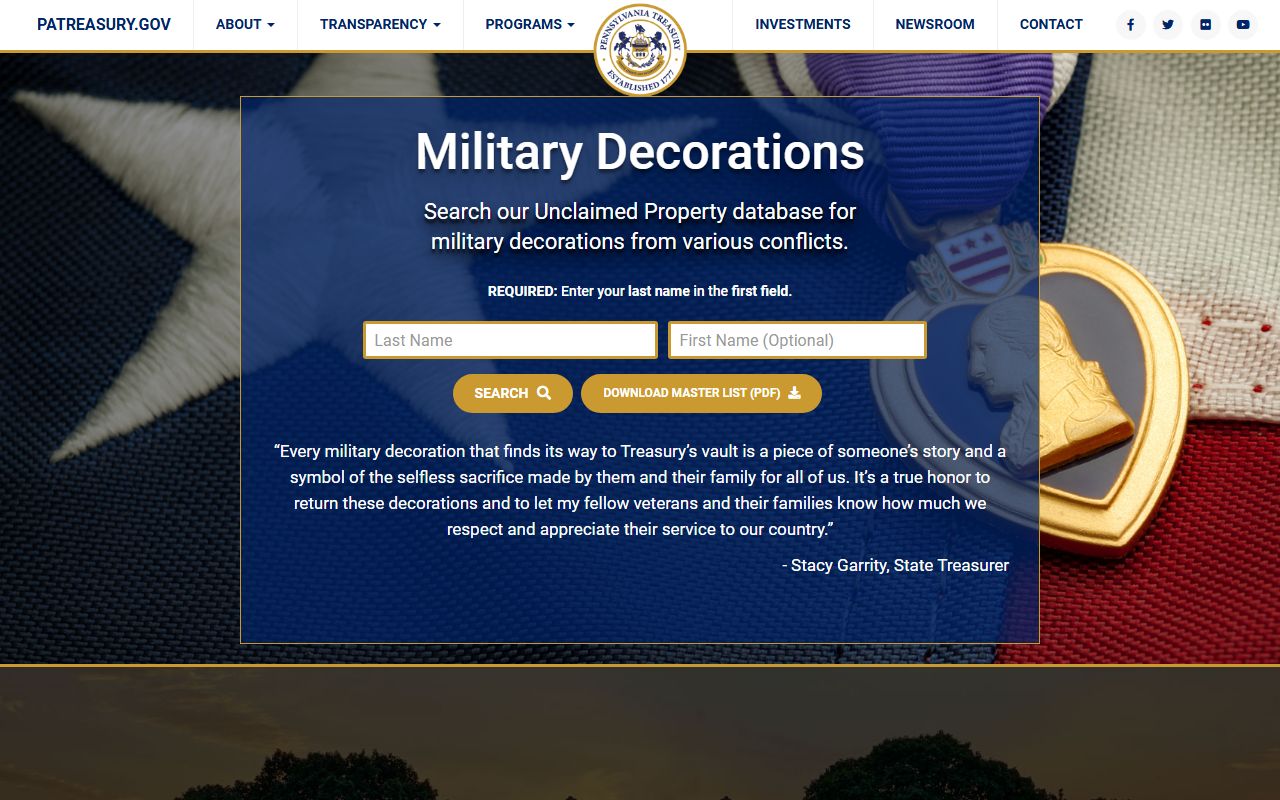
Most items arrived at the Treasury from forgotten or abandoned safe deposit boxes. The public is encouraged to search and share the database to help identify owners of unclaimed military honors.
Pennsylvania Unclaimed Money Scams to Avoid
Scammers target people looking for unclaimed money. The Pennsylvania Treasury has issued several warnings about fraud schemes tied to unclaimed property. Knowing what to look for protects you from losing money to people pretending to help you.
Text message scams are among the most common. The Treasury never sends unsolicited texts about unclaimed property. If you receive a text saying you have funds waiting and asking you to click a link or provide personal information, delete it. It is not from the state. Email phishing is another frequent scheme: fraudulent emails claim that a certificate or document is available for download and ask you to click a link. Real Treasury communications include a Property ID number that you can verify by visiting the official website or calling 1-800-222-2046 directly.
Finder fraud is a third concern. Some companies charge large upfront fees or excessive percentages to recover property you could claim yourself at no cost. Pennsylvania caps finder fees at 15% of the recovered amount, and any finder working for a fee must be registered with the Treasury under 72 P.S. § 1301.11a. Check the registered finder list before signing any agreement, and remember that the direct claim process through the Treasury is always free. When in doubt, contact the Bureau at TUPmail@patreasury.gov or 1-800-222-2046 to verify any communication you receive.
Note: Always verify unclaimed property communications by calling the Treasury directly before providing any personal information or payment.
Published Notices and National Unclaimed Property Resources
Pennsylvania law requires the Treasury to publish the names of unclaimed property owners with holdings worth more than $250. These notices appear in the Pennsylvania Bulletin and in county legal journals across the state. The Pennsylvania Bulletin is the Commonwealth's official weekly gazette for rules and public notices. You can search current and past issues at the Pennsylvania Code and Bulletin website linked above.
County legal journals are another place where unclaimed property notices appear as required by state law. PA Legal Ads is the centralized database for official public notices published in county legal journals throughout Pennsylvania. You can search by county, date range, and keywords to find published unclaimed property lists. Keep in mind that a listing on the site does not itself serve as legal proof of publication. Official proof requires an affidavit obtained directly from the publisher.
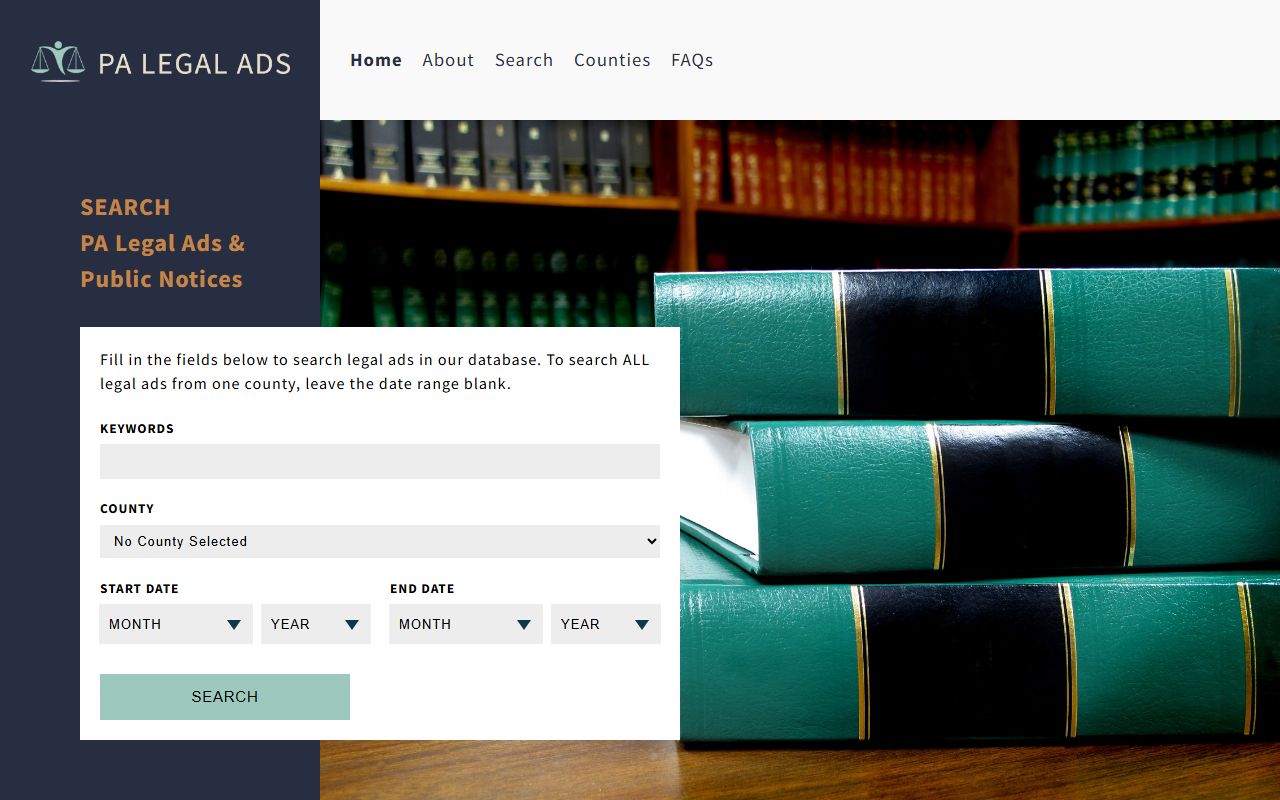
County legal journals are separate from the Pennsylvania Bulletin and cover notices required at the local level. Both are worth checking when researching whether your name has appeared in an unclaimed property notice.
For property that may be held in other states, the National Association of Unclaimed Property Administrators (NAUPA) is the authoritative resource. NAUPA represents state unclaimed property programs nationwide and sets standards for electronic reporting. Their website links to every state's official unclaimed property program and provides general guidance on how state laws work.
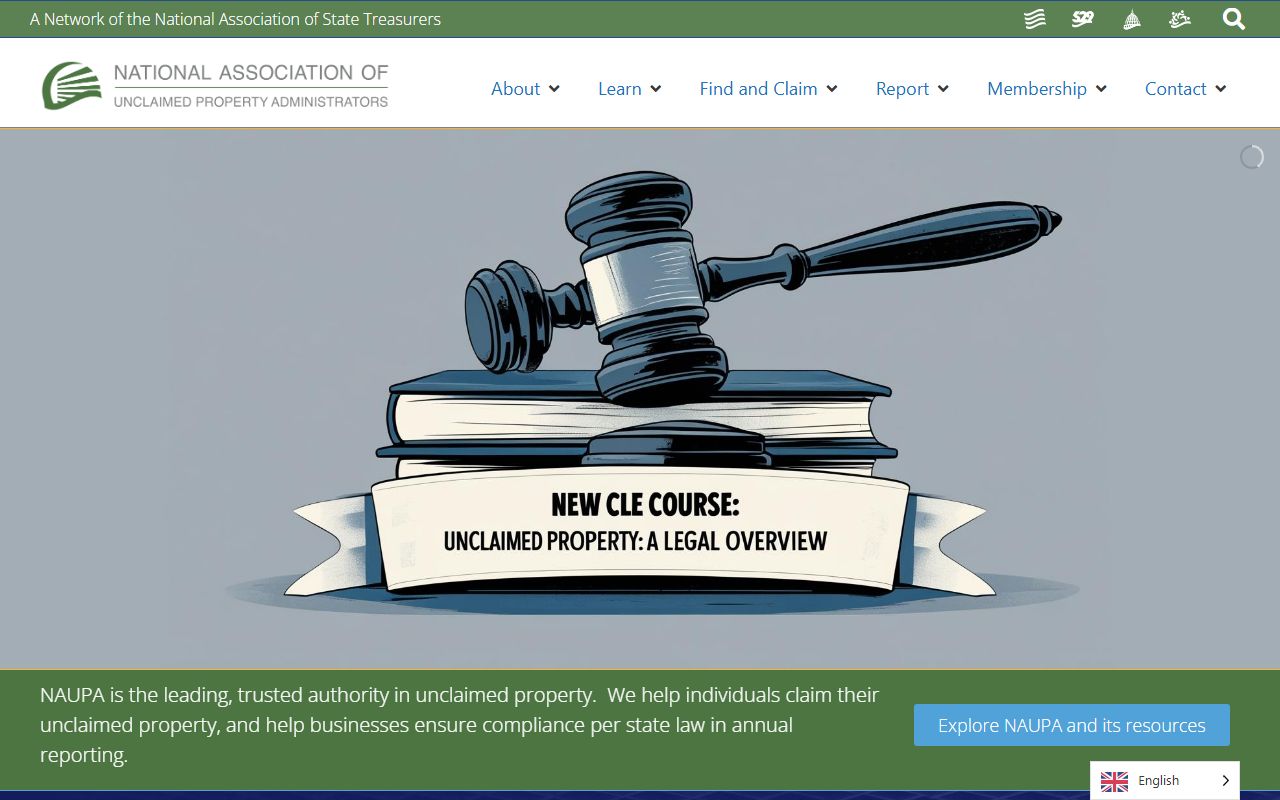
NAUPA also developed the standard reporting format that Pennsylvania and most other states require holders to use when submitting annual unclaimed property reports. If you lived or worked in other states, NAUPA's website is a good starting point for multi-state searches.
Note: MissingMoney.com, endorsed by NAUPA, lets you search multiple states at once, which is useful if you have moved between states over the years.
Browse Pennsylvania Unclaimed Money by County
Unclaimed money is held at the state level by the Pennsylvania Treasury, but it originates from businesses and institutions operating in every county. Select a county below to find local unclaimed property resources and information for that area.
Pennsylvania Unclaimed Property by City
Residents of Pennsylvania's largest cities can search for unclaimed money the same way anyone else does, through the official Treasury database. Select a city below for local resources and information.